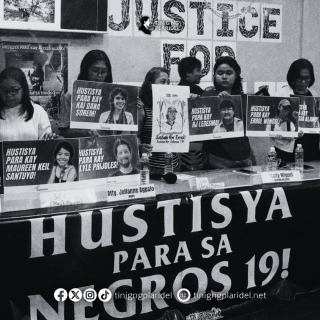
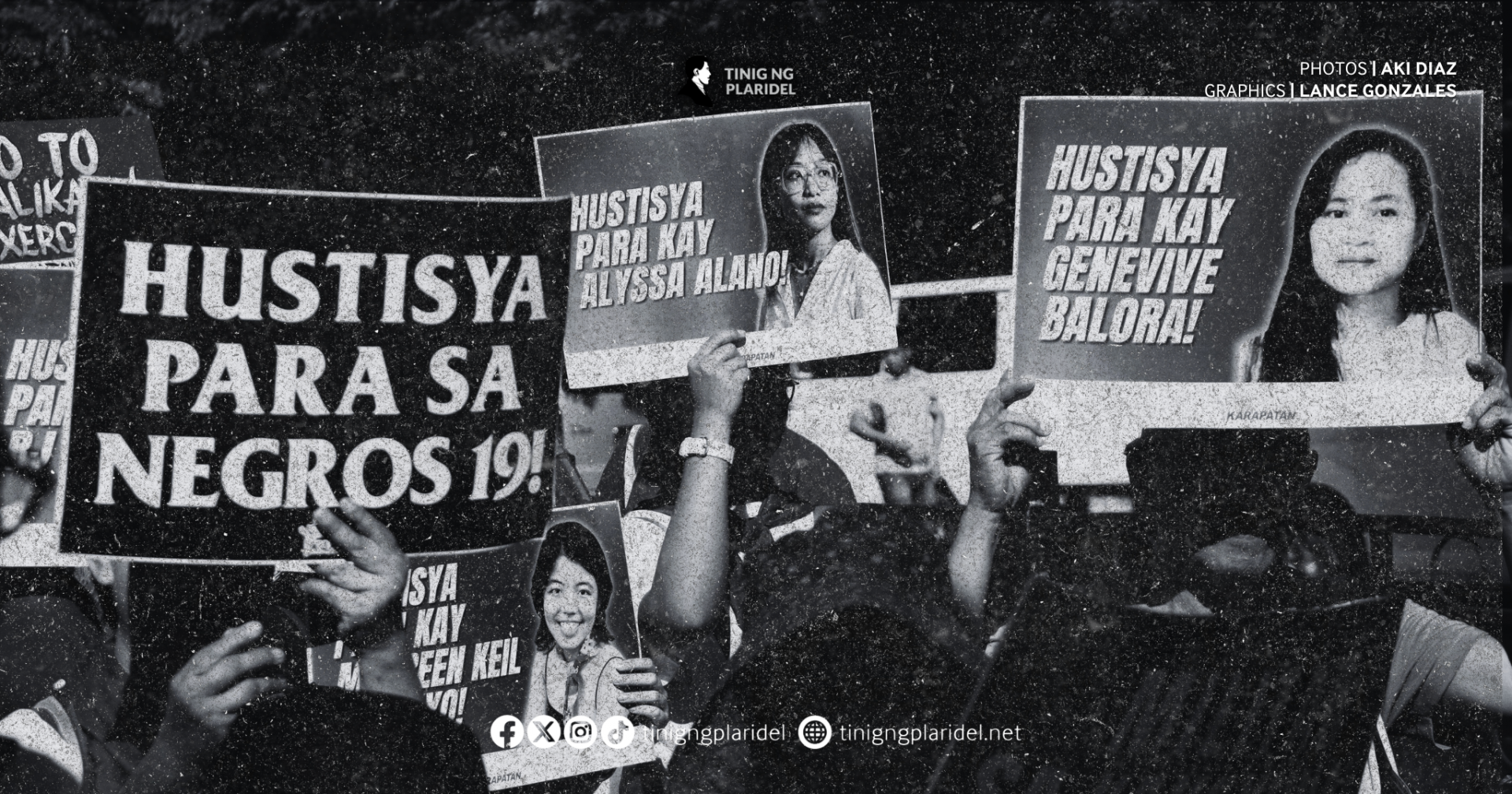
Initial autopsy results from five of the 19 killed by the Armed Forces of the Philippines (AFP) in Toboso, Negros Occidental reinforce forensic pathologist Raquel Fortun’s call to scrutinize the military, who remain the primary perpetrator in the massacre and rights violations in the province.
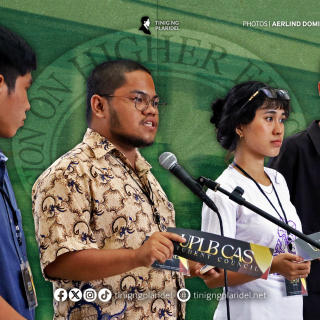
Decomposed bodies wrapped in plastic, anomalous bullet wounds and missing and unlabelled clothes point to the military’s mistreatment of the remains, Fortun said in a press conference at the UP Student Union Building on May 7.
These cases often happen in a country like the Philippines, where culprits can “get away with murder,” Fortun noted.
Her team received the first of the five bodies for autopsy on April 25, and with the consent of the victim’s families, they acquired four more bodies on April 27. Fortun conducted the autopsies on April 28 and 29, where she found most of the bodies unidentifiable due to moderate to severe decomposition.
Fortun also revealed that the remains handed to Errol Wendel’s family, a community researcher who was among those killed by the military on April 19, did not belong to him.
One of the bodies sustained four gunshot wounds, of which only one was fatal, suggesting that the victim was left to bleed out. The same body was found to have been shot from the back.
Multiple bullet wounds and serious injuries were also found on three of the bodies, Fortun added.
“Three were hit in the head, five were hit in the trunk, three in the upper and lower extremities, and some had all three,” she described.
Dr. Fortun said the guns used were likely high-velocity weapons, consistent with the bullets found on the bodies. The range of fire is indeterminate due to the lack of concrete evidence as of the initial findings, but given the gunshot wounds, Fortun said it is most likely from a distant range.
Clothes also reveal evidence untraceable in decomposed bodies, Fortun noted, but the forensic team was only able to receive two bags of clothes. One was mislabelled and the other unlabelled.
Gun holes in the garments help determine where the victims were shot and can assist in determining the range of fire of the weapons, the forensic pathologist added.
Fortun condemned the posting of victims’ bodies on social media, citing a post that showed one victim floating in water alongside a claim that the body passed the paraffin test.
The test is an outdated technique in forensic sciences that detects gunshot residue on a suspect’s hands by using hot wax to lift nitrate particles. She noted that some of the clothes she received contained wax, indicating that this same technique was used for other victims.
13 of the remaining bodies are in Negros, with one already cremated. Fortun emphasized that the bodies should not be cremated as they serve as important evidence in their ongoing investigation.
Fortun also called out those who refer to the slain victims as “corned beef.”
“They don’t look like anything like corned beef. They look like people. People with injuries, people who were killed. That could be you, that could be anyone you know,” she said.
The Communist Party of the Philippines has since confirmed that Wendel was one of 9 non-combatant civilians killed in the “Toboso 19” massacre, contrary to the AFP’s claim that all 19 were combatants.
Meanwhile, Makabayan lawmakers said that the AFP’s killing of civilians violates local and humanitarian laws. They added that the country remains a state party to the Geneva Conventions of 1949, making it legally bound to protect civilians in armed conflict.
Memorandum No. 32, which has been implemented since the former Duterte Administration in 2018, has also enabled increasing militarization in provinces branded as sites of “lawless violence.”
Rights groups have since called for its immediate termination, saying the memorandum has only contributed to rights violations and neglects the root causes of armed conflict.